Signal Loss and Smarter Decisions: Why UA’s Edge Now Lies in Judgement, Not Data

Five years after SKAN arrived, user acquisition teams are still working with far less visibility than they once had. What has changed is how the best teams respond. Rather than chasing perfect attribution, they are building ways to make confident decisions on partial, imperfect signals. At Gamesforum London, a panel of growth, data and creative leaders set out what that looks like in practice.
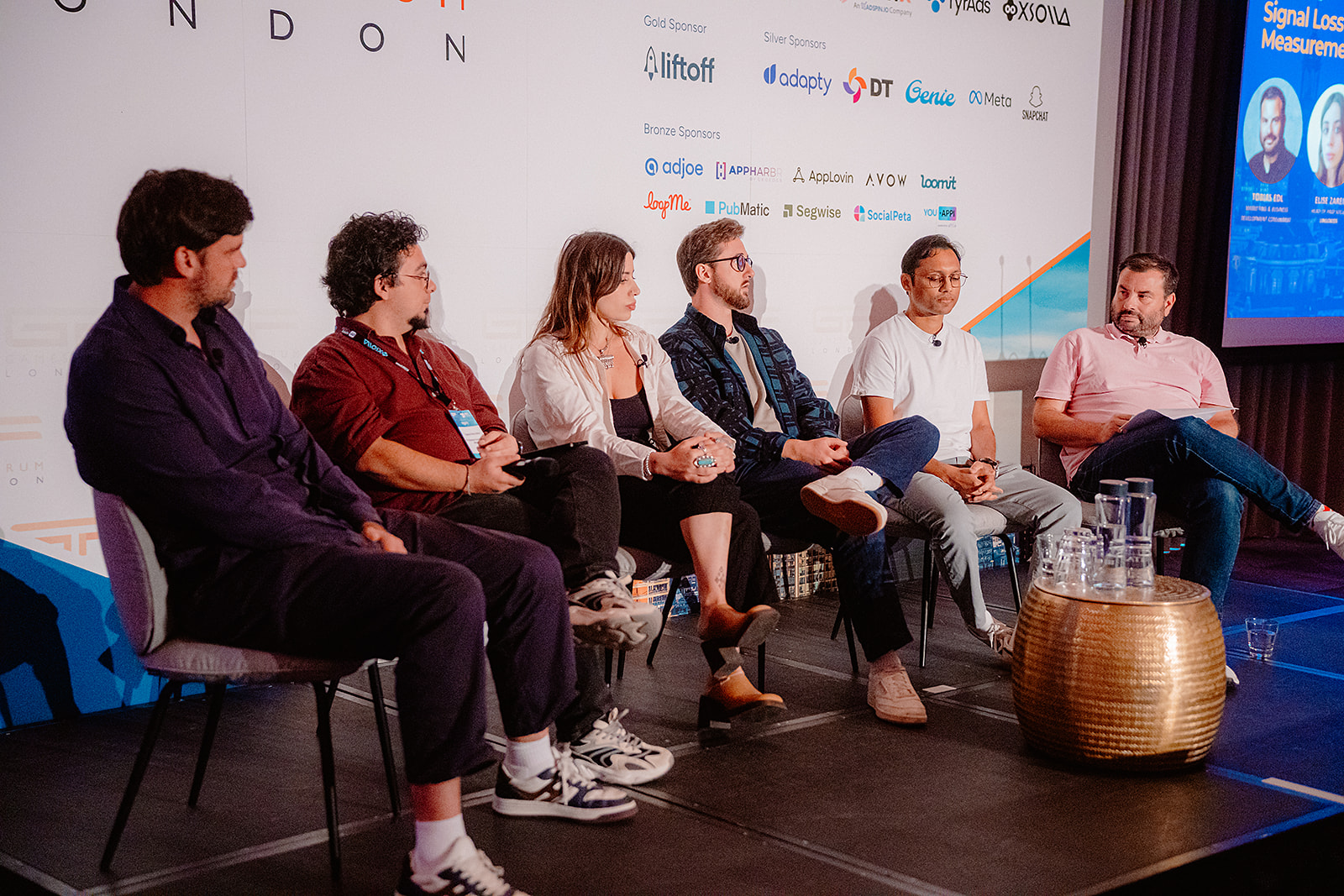
The panel featured Dmitry Kachmar, Founder of Playgama; Çağatay Göker, Senior Business Development Manager at SocialPeta; Elise Zareie, Head of Paid Social at LingoKids; Euan Cowen, Director of Growth & Monetisation at Superbanana; and Sourabh Khandelwal, Manager of Marketing Science at Snapchat. It was moderated by Tobias Edl, Marketing & Business Development Consultant.

From precision to direction
When SKAN was introduced in 2021, many teams were left looking for answers. Since then, Euan said, studios have moved from “complete confusion” to understanding which signals to look for. Google and Facebook now offer decent probabilistic solutions, and studios have become better at modelling cohort value from less data. Creative data from networks such as Unity is, in Euan’s words, “85% directionally accurate.”
Chasing precision costs. Teams that wait for the “true” number lose time they could spend acting on what the data already shows. Elise put it plainly: “I won’t have the full picture, and I won’t have the truth, but I have enough signals to make decisions.”
The safeguard against bad decisions is corroboration rather than certainty. Sourabh described triangulating across methodologies: if three or four different approaches point to the same insight, that gives the team confidence in the next decision.
User-level data remains in the hardest gap, especially on iOS. Segmentation, bespoke player journeys and bespoke builds all rely on an identifier that teams can’t easily get.
Fragmentation is the next measurement problem
Not everyone agreed that measurement is getting easier. Dmitry pointed out that games are becoming platform-agnostic, with traffic

moving between web, app, Steam and newer platforms like YouTube Playables. Privacy rules and a lack of transparency mean data is lost at every step, and cross-platform attribution remains largely unsolved.
He described the shift as a jump from additive to multiplicative complexity: “A few years ago, there was M plus N possibilities. Right now it’s M times N.” He also questioned the term “mobile measurement partner” when people are now playing on TVs. He expects new measurement protocols to emerge, and possibly new companies built to measure across platforms globally.
Creative volume is table stakes; learning speed is the advantage
With AI helping everyone produce more creative, faster, volume alone no longer sets teams apart. The edge now comes from how quickly a team can learn from each test and feed those lessons into the next brief.
That means breaking performance down into its parts: the hook, the character, the story, the gameplay shown, the localisation. As Çağatay put it, “The real competition isn’t about who produces the most ads, it’s about how fast you learn from each test.”
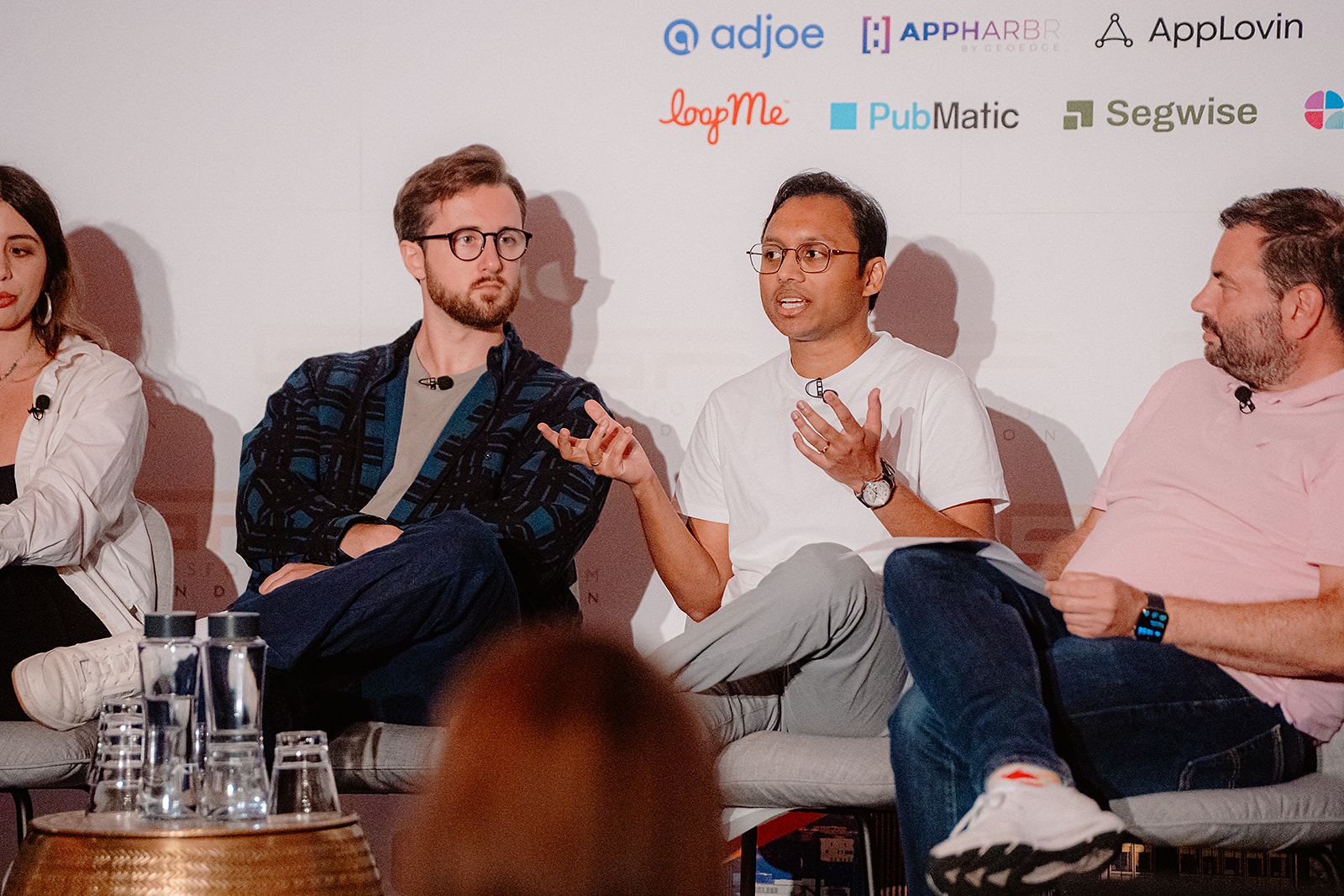
Elise argued this is an operations question. A strong pipeline covers briefing, production, testing and feeding insights back to strategists. With that structure in place, teams can double or triple output by adding AI-supported automation or more people. Her teams run weekly sprints. On Meta and TikTok, around 48 hours is usually enough to spot a winner.
Sourabh warned against over-testing. Running 50 creatives at once spreads data too thin to learn anything. He also warned against cheap wins: “A creative can be very good at getting cheap installs. But is it really good at getting more valuable players? Maybe not.”
Launch strategy: speed over certainty
For new titles, the panel agreed there is no universal budget or timeline. A cheap game with a short payback curve can be judged, and killed, within a week. A game with hybrid monetisation, high CPIs and a long tail can take months, because high-value campaign types need data from other networks to optimise. The core questions stay the same: is the game profitable, and can it scale?
The attitude to failure has changed. Dmitry said the old model of building a title for years and relying on past experience is giving way to rapid prototyping and quick cuts: “You need to fail faster and cheaper.” He also worried about where this race leads. AI will raise the ceiling on quality, he said, but the floor will drop just as far.
No single source of truth
Budget allocation is where daily platform metrics are least reliable on their own. CPI, CPA and ROAS are useful for day-to-day optimisation
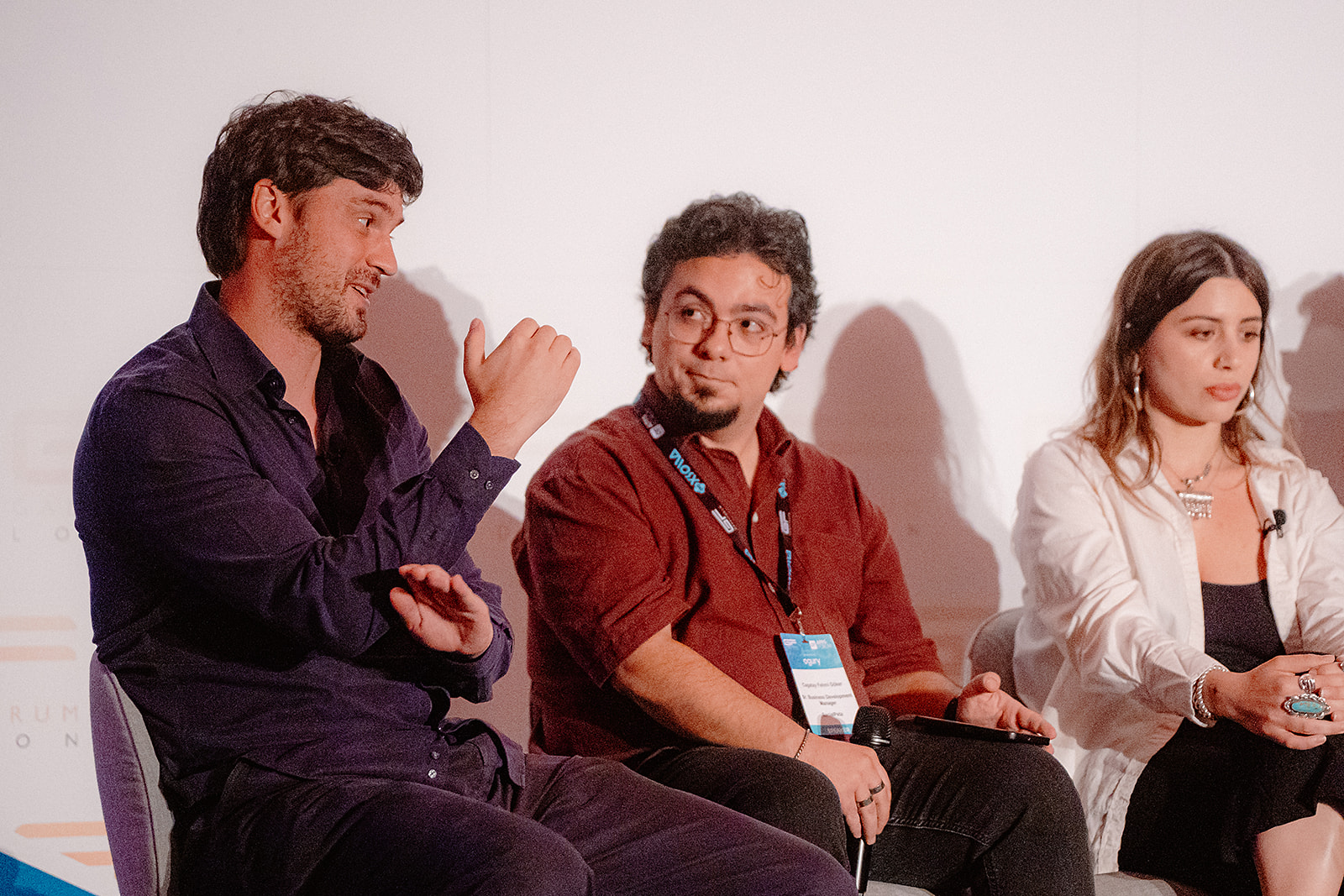
but bigger budget decisions need something more robust. Sourabh pointed to aggregated approaches such as MMM, particularly for conversations with a CFO. His recommended stack combines four views:
- MMPs for cross-channel attribution
- In-platform metrics for creative engagement
- Incrementality, to show whether users would have converted without paid spend
- In-house analytics for player value
The risk lies in the gaps between those views. Elise gave the example of a creative that wins most of the spend and reports strong results, while internal BI shows retention dropping.
The panel disagreed on how those data sources should be organised. Elise described a model where each role uses the data it needs: CMOs look at in-house modelling, UA teams at ad-side and MMP data, creative teams at ad-side data. Euan argued that AI makes a different approach possible: bringing MMP, server-side product and mediation data into one place so they can be queried together. In that setup, the MMP remains a fundamental component because it provides “reliable single source of truth attribution data” that is very resource-heavy to build in-house.
Fraud needs two lines of defence
On fraud, Euan said MMP protection catches both blocked fraud and post-install fraud. He named AppsFlyer’s Protect360 and Adjust as solid options. Some third-party providers now use unusual signals such as gyroscope data and click-map patterns. Even so, he recommended pairing a third-party tool with in-house detection, especially since rewarded traffic brings in users with a very different profile. Running both, he said, “allows you to audit one against the other.”
The leaner team of the future
The panel’s picture of the near-future UA team was consistent: smaller, more expert and more automated. Euan summed it up as “less people, more expertise, more systems, less operations.” When everyone has the same tools, he said, success comes down to individual motivation, expertise and how well people use those tools.
Automation takes upfront investment. A 20-minute weekly task might take two hours to automate the first time, but it saves time in the long run. Sourabh flagged a side effect of everyone building their own AI-powered analysis: “raining dashboards.” The discipline, he said, is to rely on the three or four views that actually drive decisions.
Dmitry said even a three-year outlook is too far ahead. He also warned that in a market moving this fast, past experience can be “the liability” rather than the asset. Elise argued that as AI creative becomes standard, “the differentiators will be the human element.”



Home of the Gamesforum events series and leading mobile game analysis. Discover everything you need to know about mobile games marketing and monetization.