What Norway’s under-16 ban means for mobile gaming
The question for mobile studios is no longer whether they count as social media, but what their games are designed to do.
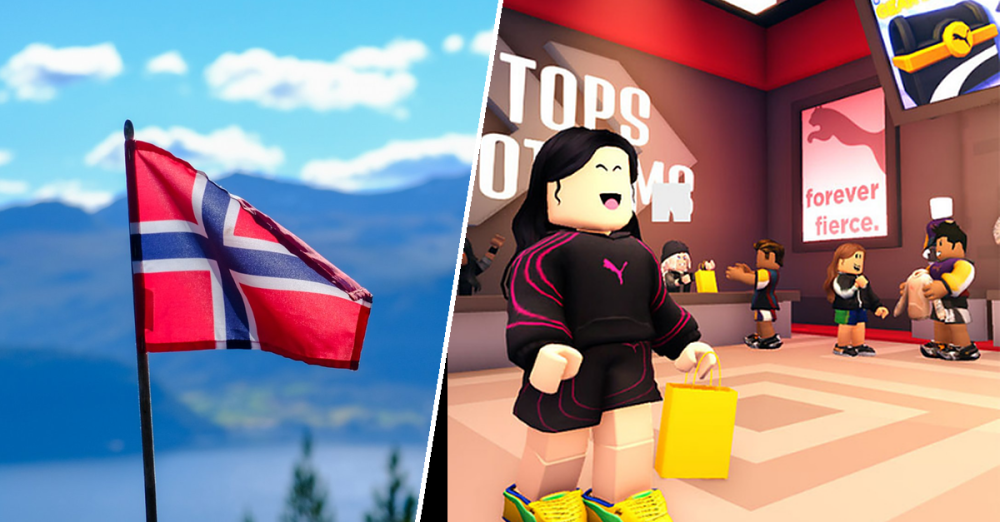
Norway announced in April that it would keep under-16s off social media, and at first that sounded like a familiar story. Australia had already gone first, and several European countries were weighing up similar rules. On Monday, Oslo widened its plans. The government said the bill would also cover what it calls harmful platforms, and listed Roblox next to TikTok and Snapchat as services it expects to fall within scope.
Games had been widely expected to sit outside the ban. That has now changed: each service will be judged on how risky it is for children
Judged by mechanics, not by label
Under Norway’s definition, a platform counts as harmful if its design, its features or its content threaten a child’s wellbeing, development or safety. Whether the product calls itself a game, an app or a network makes no difference.
The Children and Families Minister has been explicit about what concerns her. In her view, some services look like games on the surface but run on algorithmic recommendations and advertising aimed at children that breaks the law.
That list will be familiar to anyone in free-to-play. Personalised feeds, open chat, user-generated content, targeted offers and features built to bring players back every day are standard tools of the trade across mobile, not quirks of a single platform.
The ministry says games it considers harmless will remain available to young people. [SOURCE: Reuters, 19 Oct] What it hasn’t said is how that will be judged, or who will make the call. Until it does, any title with social or monetization layers is in a grey area.
Age checks are a growth problem
The burden of confirming a user’s age would sit with the platforms. [SOURCE: Reuters, 19 Oct] On paper that’s compliance. In practice it adds friction at install and first session, where every drop-off is already paid for.
Fewer completed sign-ups means a higher real cost per player. Studios with broad, young audiences will probably notice it in their acquisition metrics long before it reaches the legal team. [CITATION NEEDED: data on onboarding drop-off from age gates or verification steps]
The UK is moving the same way
Norway isn’t alone in pulling games into the conversation. In June, the UK government set out plans for an outright ban on under-16s holding social media accounts, along with restrictions on features it considers risky, such as livestreaming and contact from strangers.
The UK feature restrictions are the part aimed at gaming. They reach a broader set of services than the account ban, and gaming platforms are included. Gaming services would also face tougher age-check requirements.
None of it is law yet. Ministers intend to put the first regulations before Parliament by the end of 2026, with the rules expected to apply from around spring 2027. Ofcom has been tasked with reporting by the end of October on which age checks are reliable enough to confirm a user is over 16.
The UK approach doesn’t remove games. It switches off particular features, which is the same logic Norway is now following.
A patchwork across Europe
Elsewhere the picture is uneven. Denmark has brought in comparable limits and Spain is working towards its own ban. France tried to bar under-15s, but its top constitutional court blocked the move on free-expression grounds. Brussels, meanwhile, is developing a tiered, age-based model for the EU.
For a game released worldwide, this means age limits, definitions and verification standards that differ from one country to the next. Norway’s own plan also still has to get through parliament, where the governing party lacks a majority.
Safety becomes a design brief
Norway says the law is meant to push companies to remove harmful content and compulsive features. That’s the key point for studios. Regulators are no longer waiting until after launch. They’re reaching into the design process itself.
The winners won’t be the studios with the biggest legal budgets. They’ll be the ones that can switch social and monetization features on or off by age and by market without breaking the game, and that can show a regulator evidence their design is safe.
Norway and the UK are reaching the same position by different routes. Once governments judge harm by how a product works rather than what it’s called, every other regulator has a template to follow.



Home of the Gamesforum events series and leading mobile game analysis. Discover everything you need to know about mobile games marketing and monetization.